Wondering which part of downtown Sarasota actually fits the way you want to live? That is a smart question, because downtown is not one single experience. From historic low-rise streets to newer waterfront projects and true mixed-use city blocks, each district offers a different rhythm, housing type, and day-to-day feel. This guide will help you compare the key downtown Sarasota districts so you can narrow your search with more clarity and confidence. Let’s dive in.
Why downtown Sarasota feels so different
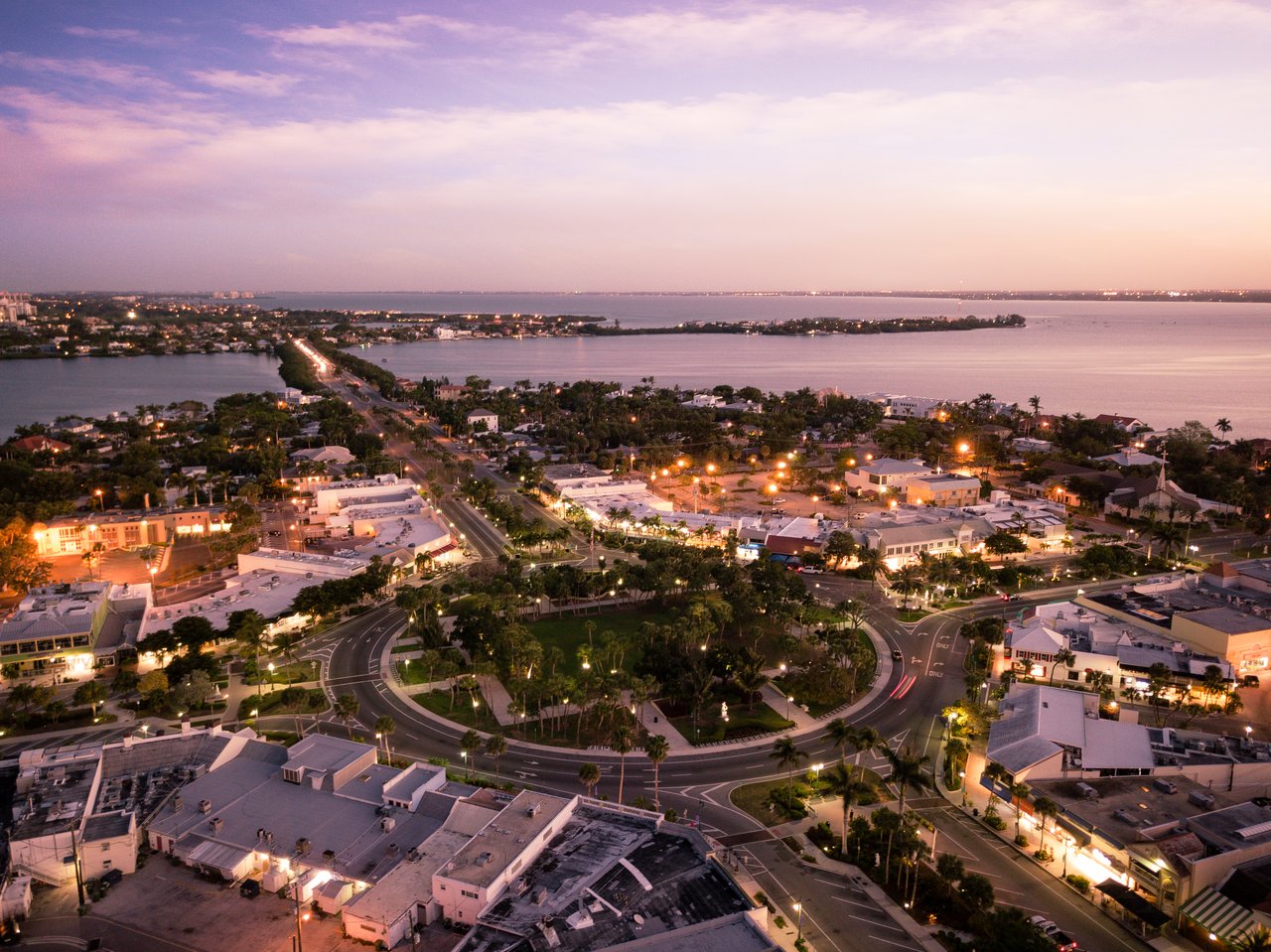
Downtown Sarasota is planned as a collection of distinct districts, not one uniform center. The City of Sarasota’s Future Land Use Plan separates areas like the Downtown Core, Downtown Bayfront, Burns Court/Herald Square, Rosemary District, and Laurel Park based on how each area is meant to grow and function.
That matters when you are buying. It means your best fit may depend less on a downtown zip code and more on the kind of setting, building scale, and daily routine you want. If you are relocating, downsizing, shopping for a condo, or looking for a walkable lifestyle, those differences can shape your experience in a big way.
Start with your lifestyle priorities
Before you compare buildings or price points, define what you want your everyday life to look like. Downtown Sarasota offers several strong options, but each one serves a different type of buyer.
A few questions can help you narrow the field:
- Do you want the widest mix of dining, retail, offices, and entertainment nearby?
- Are you drawn to historic character and lower-rise streets?
- Would you prefer a newer waterfront setting with more vertical living?
- Is walkability or car-light living high on your list?
- Are you open to renovation, or do you want something more turnkey?
Once you know your priorities, the district choice gets much easier.
Downtown Core for a true urban mix
The Downtown Core is the most mixed-use part of downtown Sarasota. The city allows a broad blend of housing, live-work space, lodging, office, retail, entertainment, civic, artisanal, recreational, and open-space uses in this area.
The plan allows a base residential density of up to 50 units per acre, with potential for more density through specific provisions, and the general height limit is 10 stories. In simple terms, this is the district that feels most like the center of the city.
If you want a walkable urban setting with the broadest range of uses in one place, this area may be your best match. It is especially worth studying if you like condo living, easy access to downtown services, and a more vertical environment.
Rosemary District for mid-rise energy
The Rosemary District offers a creative, walkable setting just north of the core. The Rosemary District Association describes it as roughly 130 acres bounded by Fruitville Road, U.S. 41, 10th Street, and Orange Avenue, with dimensions just under half a mile in each direction.
That scale makes it especially walkable. The district is often described as a live, work, and play community, and the city also connects the area to Overtown’s Black settlement history and public art that honors Sarasota’s first Black settlers.
From a planning standpoint, the Rosemary Residential Overlay District is designed to encourage high-density residential growth and economic vitality. The plan allows a base density of 40 units per acre, with up to 100 units per acre when attainable housing is included under specific standards, and height can reach seven stories in certain cases.
For buyers, Rosemary is often the strongest fit if you want an urban district with a substantial condo and apartment mix, mid-rise scale, and strong walkability. It is also wise to pay attention to parking access and public-space demand here, since the district association has discussed parking challenges.
Burns Court for historic texture
If you are drawn to character over scale, Burns Court/Herald Square deserves a close look. The city treats this area as one of downtown’s distinctive places where development should be especially sensitive to surroundings and historic resources.
In the city’s business-area guide, Burns Court is described as a historic neighborhood of 1920s-era bungalows with shops selling art, antiques, home décor, and gifts. The area is also described as pedestrian-friendly and known for cultural events.
For you as a buyer, that likely translates to a smaller-scale, more textured environment than the tower districts. If your ideal downtown experience includes short walks, independent storefronts, and historic atmosphere, Burns Court may feel especially compelling.
Laurel Park for low-rise residential living
Laurel Park sits at the southern end of downtown Sarasota and is recognized as a National Historic District. The neighborhood association describes it as a highly walkable, mostly residential community with single-family homes, guest houses, granny flats, older duplexes, and early-1920s apartment buildings.
The city’s land use plan is even more specific. Laurel Park is classified as a Mixed Residential area and implemented through the RSM-9 zoning district, which is a low-density single-family zone characterized by one- and two-story detached houses. The plan sets maximum residential density at 9 units per acre and supports preserving the area’s existing height and scale.
This is the clearest fit if you want a quieter, low-rise residential setting while staying close to downtown. It can appeal to buyers who want historic residential character first and downtown access second.
The neighborhood association also notes that some of Laurel Park is in FEMA flood zones. If Laurel Park is on your list, flood-zone review should be part of your early screening process.
The Quay for newer waterfront living
If your search centers on newer waterfront development, The Quay stands apart. The city’s 2024 market analysis describes Quay Sarasota as a 14-acre waterfront district planned to include luxury residential, upscale retail, a boutique hotel, office space, and active public spaces.
According to that report, the project is expected to include up to 695 residential units, 175 hotel rooms, 38,922 square feet of office space, and 189,050 square feet of commercial space. The broader downtown plan places this kind of development within the Downtown Bayfront framework, where residential and nonresidential uses mix on a pedestrian-oriented waterfront.
Retail and office uses are expected on lower floors, and buildings in the Downtown Bayfront can rise to 18 stories. If you want newer, more amenity-rich waterfront living, The Quay and the surrounding bayfront are the places to study first.
Compare districts by daily life
Sometimes the simplest way to choose is to match each district to your routine.
Best fit by lifestyle
- Downtown Core: Best for the broadest urban mix of housing, retail, offices, lodging, and entertainment.
- Rosemary District: Best for creative, walkable, mid-rise living with a strong condo and apartment presence.
- Burns Court / Herald Square: Best for historic bungalow character and small-scale retail atmosphere.
- Laurel Park: Best for low-rise historic residential streets close to downtown.
- The Quay and Downtown Bayfront: Best for newer waterfront projects and a more amenity-driven setting.
Best fit for car-light living
Mobility can make a real difference in how downtown feels day to day. The Bay Runner is a free trolley that runs seven days a week between downtown Sarasota, St. Armands Circle, and Lido Key, while Ringling Trail links Payne Park and the Legacy Trail to downtown shops, offices, homes, and parks.
Those connections make some areas more practical if you want to drive less. Rosemary, Laurel Park, and other downtown-adjacent areas connected by Bay Runner and Ringling Trail are especially worth considering for a car-light routine.
At the same time, the city notes that peak-hour parking demand downtown can be difficult. So if parking convenience is a top priority for you, it is worth comparing each building or block carefully.
Think beyond location alone
Two buyers can love downtown Sarasota and still need completely different properties. That is why the district should guide your search, but not decide it on its own.
Historic low-rise areas like Laurel Park and Burns Court tend to center on older buildings, smaller footprints, and preservation sensitivity. The Downtown Core and bayfront areas tend to concentrate newer, taller, more amenity-rich projects along with more structured parking and mixed-use density.
As you compare options, pay close attention to:
- HOA and condo costs
- Parking access and convenience
- Flood-zone exposure where relevant
- Building age and renovation needs
- Comfort with low-rise versus mid-rise or high-rise living
If you are relocating or weighing a second home, these practical details often matter just as much as the map.
A smart way to narrow your search
If you are feeling torn between two or three areas, start by touring them through the lens of routine rather than just appearance. Ask yourself where you would most want to walk in the morning, park at the end of the day, and spend a normal week instead of a perfect weekend.
That simple shift often brings quick clarity. The right downtown Sarasota district is usually the one that supports your pace, your housing preferences, and your long-term plan, not just the one with the flashiest first impression.
When you want a strategy-first search that connects lifestyle fit with financing clarity, product type, and strong execution, Brianna Smith can help you narrow the options and move with confidence.
FAQs
Which downtown Sarasota district feels most like the center of the city?
- The Downtown Core is the area most clearly planned for the widest mix of residential, office, retail, lodging, and entertainment uses.
Which downtown Sarasota district is best for historic residential character?
- Laurel Park is the clearest fit for buyers who want a low-rise historic residential setting, while Burns Court also offers strong historic character in a smaller-scale environment.
Which downtown Sarasota district is most tied to new waterfront development?
- The Quay and the Downtown Bayfront are the areas most closely tied to newer waterfront mixed-use development.
Which downtown Sarasota district is best for walkability and car-light living?
- Rosemary is a strong starting point for walkability, and Laurel Park and other downtown-connected areas also benefit from access to the Bay Runner trolley and Ringling Trail.
What should you compare besides district when buying in downtown Sarasota?
- You should also compare product type, HOA or condo costs, parking access, flood-zone exposure where relevant, and whether you prefer historic low-rise or newer amenity-rich living.