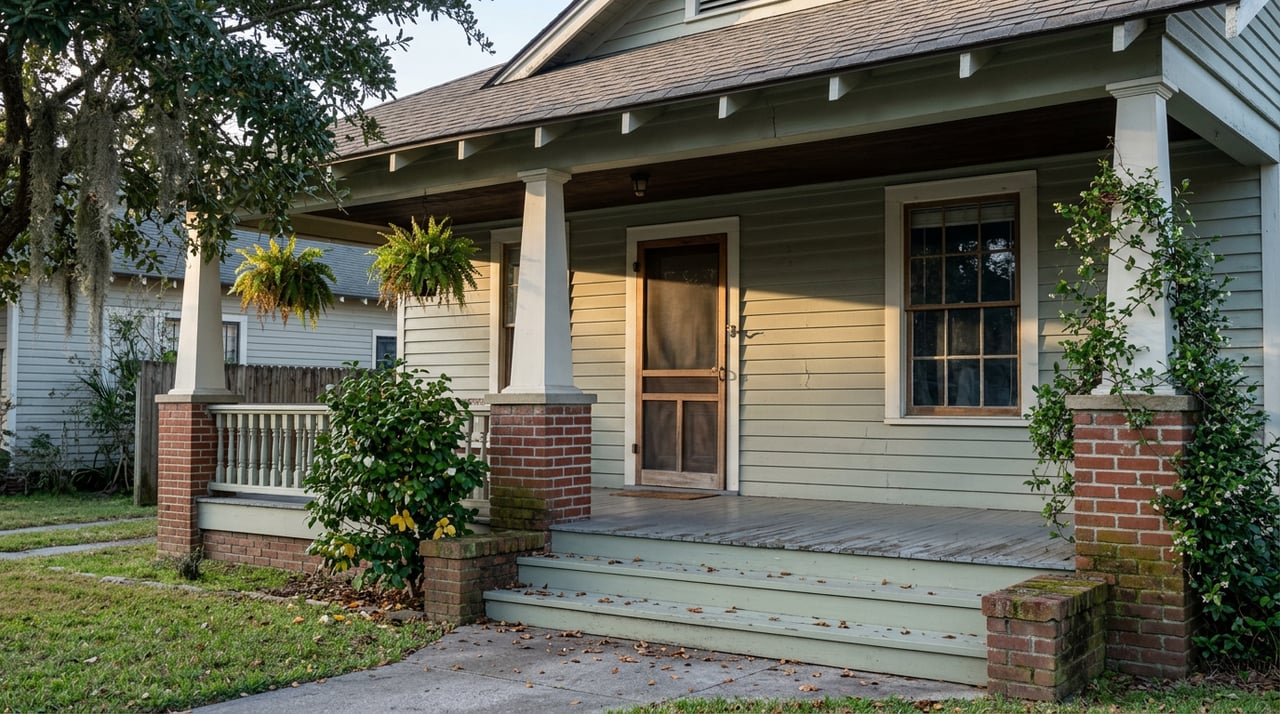
A buyer walks into a 1928 cottage on a shaded street in Wares Creek, notices the original heart pine floors, the built-in bookcases, the wraparound porch, and falls for it before the second bedroom. Then the numbers start circling. Someone mentions a neighbor's insurance renewal jumped. Someone else says older homes in Bradenton are basically uninsurable now. The buyer's agent starts pricing in a worst case that hasn't matched reality since sometime in 2024.
That gap between what people assume about insuring a historic Bradenton home and what's actually happening in 2026 is the thing worth unpacking before anyone walks away from a bungalow they love over a fear that's two years out of date.
The assumption everyone still carries
The instinct makes sense on paper. Florida's insurance market spent 2022 and 2023 in genuine crisis, and older homes took the brunt of it. A 1930s cottage in Point Pleasant or a 1920s bungalow in Village of the Arts often still has some combination of original knob-and-tube or aluminum wiring, a roof well past what carriers wanted to see, and cast-iron or clay plumbing that predates every modern underwriting form. Homes in Bradenton's oldest pockets, places like Old Manatee, Fogartyville, and Riverview Boulevard, carry decades of character precisely because they weren't torn down and rebuilt to current code. That same age is what used to trigger a flat decline from a carrier, not a quote.
So the assumption that an old Bradenton home is a harder insurance conversation than a new build in Parrish or Lakewood Ranch isn't wrong as a starting point. It's just no longer the whole story.
What actually changed
Florida's property insurance market looks different in the middle of 2026 than it did even eighteen months ago. Citizens Property Insurance, the state's insurer of last resort, peaked at about 1.42 million policies in October 2023. By early January 2026 that number had fallen to roughly 395,000, and by May 2026 industry tracking put it closer to 336,000, a level Citizens itself has called the lowest since the corporation was created in 2002. That's not a shift in who wants to insure Florida homes. It's a shift in who's able to.
According to LatentInsure, a string of legal reforms passed in 2022 and 2023, including the end of one-way attorney fees and a ban on post-loss assignment of benefits, cut into the litigation costs that had been driving carriers out of the state. Property insurance lawsuit filings dropped roughly 23 percent from 2023 to 2024 and another 25 percent in the first half of 2025. More than a dozen new carriers have entered Florida since the reforms took hold, and one of them, Manatee Insurance Exchange, had grown to more than 220,000 policies in force statewide by May 2026 while carrying an A rating from Demotech.
None of that is abstract for a Wares Creek buyer. It means the pool of companies willing to write a policy on an older home has actually grown, not shrunk, over the past two years.
The 4-point threshold moved too
The other piece buyers usually don't know about is the 4-point inspection, the roof-electrical-plumbing-HVAC review that determines whether an older home qualifies for coverage at all. For years the industry rule of thumb was a hard line at 20 years. Cross it and you needed the inspection before a carrier would even quote you.
That line has moved.
| Common practice before the 2022-2023 reforms | Common practice in 2026 | |
|---|---|---|
| Standard 4-point trigger | Often 20 years | Many carriers now 25 to 30 years |
| Older roofs | Frequently a flat decline | Actual cash value endorsements now common instead |
A cottage in Point Pleasant built in the 1920s will still need the inspection, and a home 40 years or older will still almost always need one before a new carrier will write the policy. But a 1996 build in West Bradenton that used to draw the same scrutiny as a much older home may not anymore, and several carriers have started accepting older roofs with limited water coverage or an actual cash value endorsement instead of declining the policy outright. That's a meaningful change for anyone comparing a resale in an established Bradenton neighborhood against new construction where the age question never comes up.
What still actually trips people up
None of this means every old Bradenton home sails through. The systems that get flagged in 2026 are the same ones that always did, they just get evaluated with more flexibility than they used to:
- Original electrical panels, particularly Federal Pacific or Zinsco brands, still cause declines regardless of the home's overall condition. This is a panel-specific issue, not an age issue, and it shows up in homes from every decade.
- Aluminum branch wiring without documented professional repair remains a sticking point. Only a fraction of Florida carriers, roughly a third by one recent count, accept a home with repaired aluminum wiring at all.
- Roofs are judged on remaining service life, not just age. A well-maintained 20-year-old roof can outperform a poorly maintained 10-year-old one in an inspection.
- Original galvanized or cast-iron plumbing gets noted for leak history and material condition, which matters more in a 1920s Village of the Arts cottage than it does in most 1990s construction.
The practical move, and the one that saves buyers the most time, is scheduling the 4-point and wind mitigation inspections together at the same visit. They're cheaper bundled than separate, and having both reports in hand before an offer removes most of the guesswork from a historic-district purchase.
Why the historic neighborhoods are worth the extra step
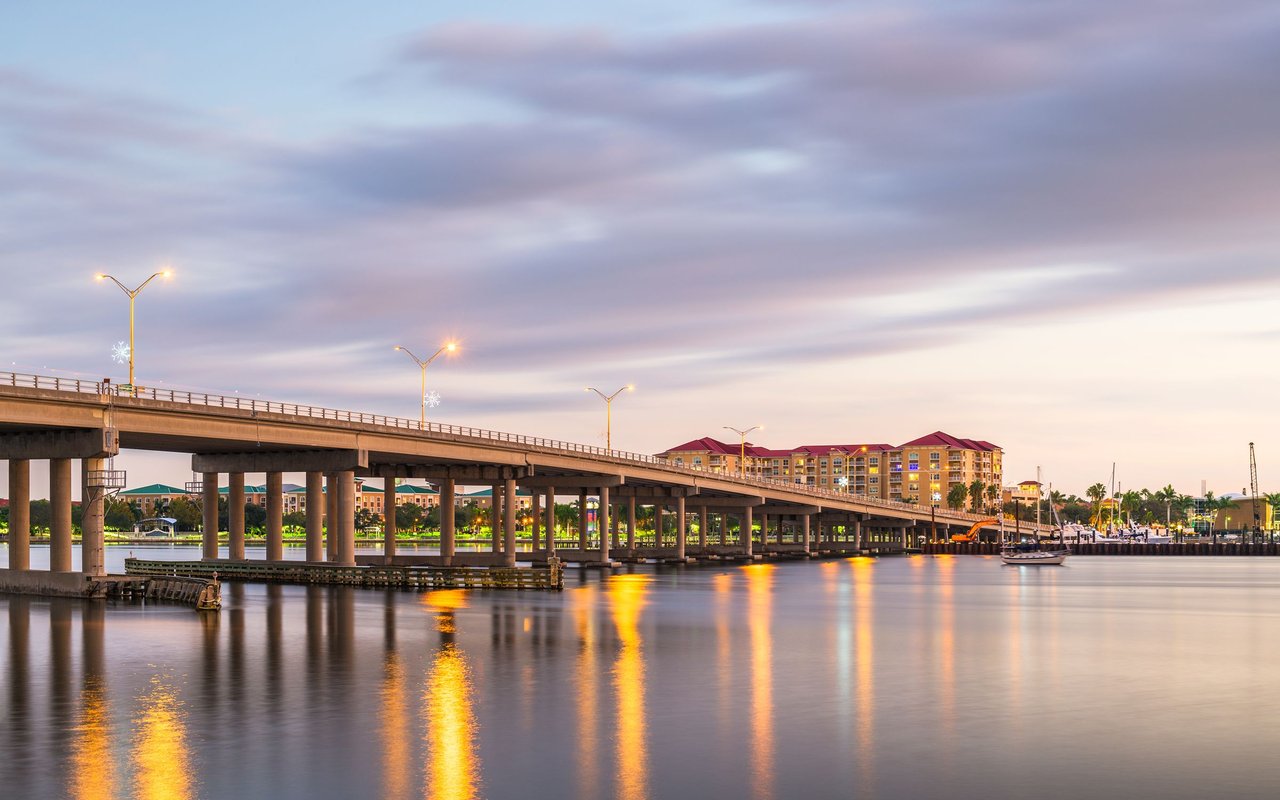
Bradenton's older districts carry a texture that new construction can't replicate on a spec sheet. Wares Creek still has one of the region's best collections of 1920s and 1930s cottages, several originally built from Sears Roebuck mail-order kits, tucked along streets that longtime city councilman Patrick Roff spent years helping restore after crews dredged some 38,000 cubic yards of muck from the creek itself. Point Pleasant sits on a peninsula into the Manatee River with fewer than a hundred homes, several turn-of-the-century, and a history that includes Tropicana founder Anthony Rossi as a onetime resident. Village of the Arts turned a once-rundown pocket south of downtown into a working arts district in the late 1990s, and its bungalows now double as galleries and studios as much as homes. Old Manatee, settled in the 1840s, holds some of the oldest structures in the city.
None of that shows up on a spreadsheet next to a new-build listing in Parrish. It shows up when you're the one walking to the Riverwalk on a Saturday morning instead of driving to find one.
What this means if you're deciding between old and new
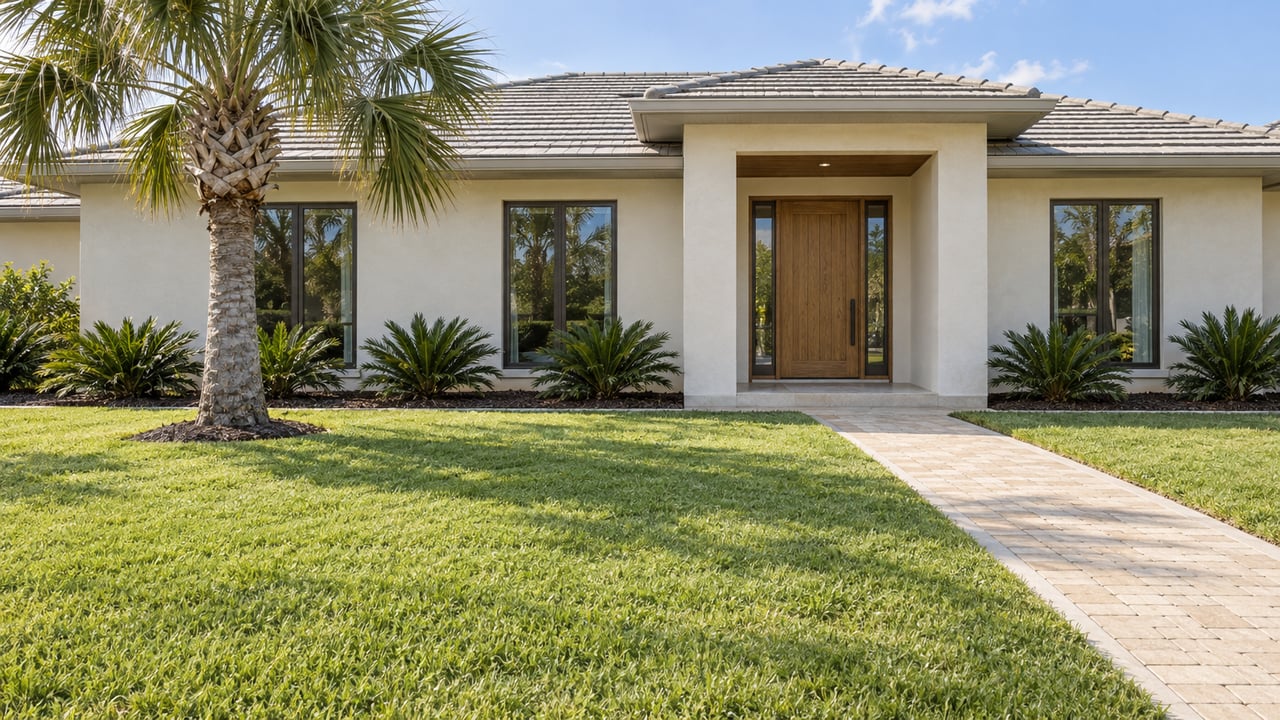
The honest framing for 2026 is that the insurance gap between a historic Bradenton cottage and new construction elsewhere in the county has narrowed, but it hasn't closed. New builds meeting the post-2002 Florida Building Code still qualify for wind mitigation credits that older homes generally can't match system for system. What's changed is that the older home is no longer the coverage gamble it was in 2022. It's a home that needs a clear-eyed look at four specific systems, priced against a market with more carriers competing for the business than it's had in years.
That's a different conversation than "can I even insure this," and it's the one worth having before a buyer decides a bungalow in Wares Creek or Point Pleasant is off the table.
A few common questions
Does every home over 20 years old in Bradenton still need a 4-point inspection? Not automatically anymore. Many carriers have pushed the threshold to 25 or 30 years, though some, including Citizens, still start asking at 20. It depends on the carrier, which is why it's worth checking before assuming either way.
Is a new home in Parrish or Lakewood Ranch always cheaper to insure than an older Bradenton home? Usually, largely because of wind mitigation credits tied to post-2002 building code construction. But the gap is smaller than it was two years ago, and a well-maintained older home with an updated panel and newer roof can price closer than buyers expect.
Should I get inspections before making an offer or after? Bundling a 4-point and wind mitigation inspection early, even before writing an offer on a historic property, gives you real numbers to negotiate with rather than assumptions to negotiate around.
If you're weighing a cottage in one of Bradenton's older neighborhoods against something newer down the road, that's exactly the kind of comparison worth working through with someone who watches both sides of this market closely. Build With Bri can walk you through what a specific address is likely to face at inspection, and what it means for your offer. Let's Connect.
This article is general information, not legal, tax or financial advice. Consult a qualified professional about your situation.